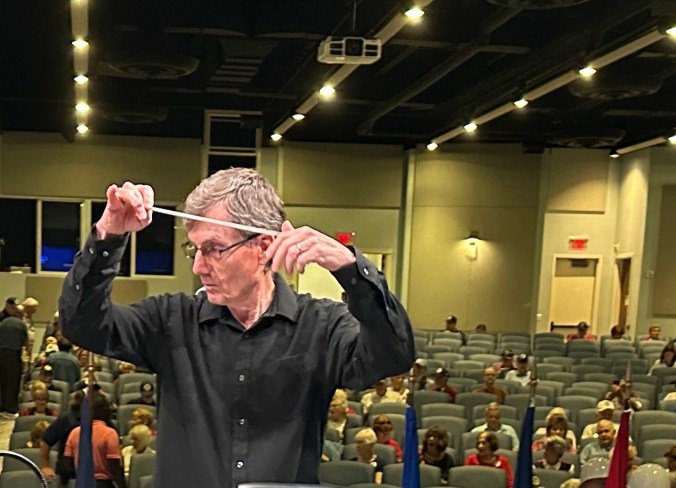
For many music educators, summer is the one time of year where we get to invest in ourselves. For ten or so months, we give everything for our students, often “burning the candle at both ends” to provide the quality instruction we demand of ourselves, and the workflow our administrators require. Once the summer recess begins, all of that happily gets sets aside, and we are free to enjoy some “me time–” sort of.
Reload
Sometimes, that includes taking summer workshops, often at local universities, which help us learn new techniques, sharpen skills, and discover new materials. These workshops are usually worthwhile, stimulating, and fun. Beside what we are taught by the presenter, we also enjoy and benefit from interacting with fellow-music educators, sharing experiences and knowledge, and enjoy some good social time with new and old friends we meet there. I call these workshop experiences the reload.
Relax
Somewhat more challenging than the reload, is succeeding at relaxing. Vacations with family are, of course, a favorite use of summer time, but they should be as stress-free as possible. I have a tendency to want to conquer the world every time I go someplace on vacation; I want to see and do everything I can possibly fit, or cram in to the time I’m there. I’ve learned to back off that, and instead prioritize a slower pace, enjoying lounging on the beach or at the pool more than running to multiple tourist destinations each day.
A good example of this is when my wife and I took a vacation to Saint Augustine, Florida. We devoted two days to sight seeing, and enjoyed it all. But on the other days, we attend ended a jazz festival, and played a round of golf. We didn’t have to run around from place to place, and the pace of each day was enjoyably casual. Besides reloading, it’s good to recharge and relax. The last thing I want to do is return to school in the fall exhausted. It’s important that when it’s back to school time, I’m refreshed and rested.
Read
If you’re like me, sooner or later before summer recess is over, you’ll want to start thinking about repertoire for the coming year. I enjoy seeking out new repertoire, and calling to mind familiar pieces. This gets me set up for score reading and analysis. Many professional conductors use the time between seasons to do score study, and music educators should too. It sharpens my musicianship skills at the same time that it prepares me to properly conduct each work. This summer, I am reading Frank Battisti’s excellent book, Guide to score study for the wind band conductor. By the way, while obviously written for band conductors, the process presented works just as well for choral and string conductors as well.
Though only part way through, I have already seen a marked improvement in my grasp of scores by applying the process Battisti presents. It is a four-step process. First, score orientation. What can you learn from the title, date of composition, composer’s name, and instrumentation? Second, score reading. At a tempo slow enough to make it possible to continue through without stopping, read the entire score. No stopping, no studying, no analyzing–just keep going start to finish. Do this several times, and over several days. Each time through you will naturally pick up more details, and become more intimate with the music.
Third, score analysis. this is where you delve into form, structure, use of instrumentation, identifying melodic and non melodic lines, harmonic and non-harmonic notes and functions, and so forth. Do not conduct anything, just study it. Then fourth, having done all of that, you will have gained enough information to form an appropriate, well-informed interpretation. It is at this stage that you decide how you want your musicians to play the music, what your vision for the piece is, and how you will represent the composer’s intention to the ensemble. Summer is a great time to go through this process with all of the scores you intent to conduct next school year. It’s a great time for this because once the hectic schedule and demands of the school year begin, it is difficult to find time to prepare scores this way, yet if we are going to do our best for our students, we must prepare each score to that extent.
Retreat
By this point in the summer, you have reloaded, relaxed, recharged, and rested. Before the summer
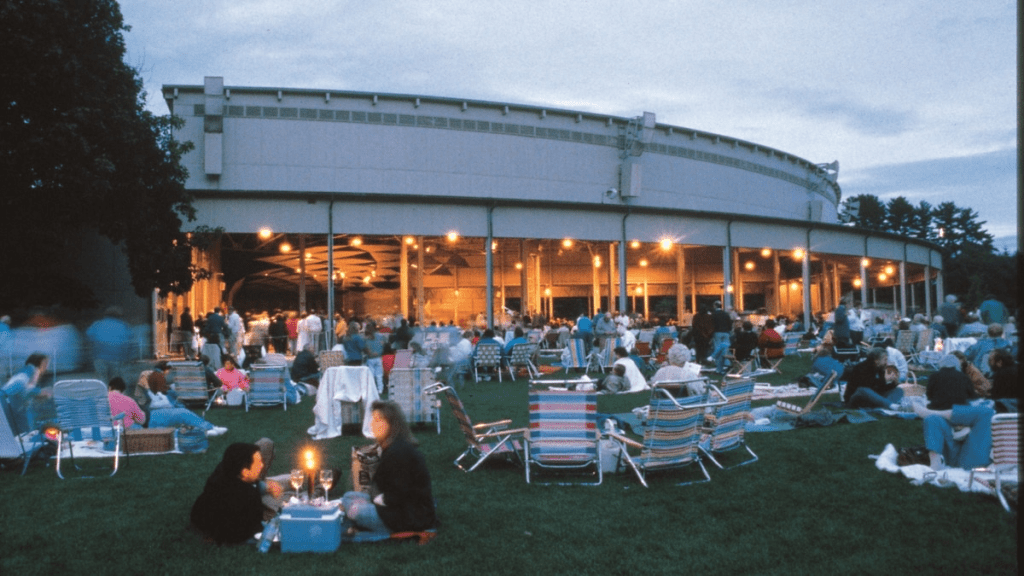
escapes you, there’s one more thing to do: revisit. You have elevated yours skills, had rest and relaxation, prepared your scores (and hopefully those scores align with goals) so now make your big last hurrah something you love that will leave you satisfied and ready to return to school. Do that one thing that, if you let the summer get by without doing it, you’d regret it. I worked in Connecticut. My first love for this sort of thing was driving up to Tanglewood and spending the whole of a Saturday there. Open rehearsal in the morning, student concert in the afternoon, Boston Symphony Orchestra concert at night. I’d come home elated. Sometimes we’d spend a weekend there, camping at a nearby campsite. My summers were not complete without this, and once I’d been there, I was ready to move onto fall. Find something you know you love doing, and end your summer with it.
To all my music educator colleagues, have a great summer.
 mister a music place